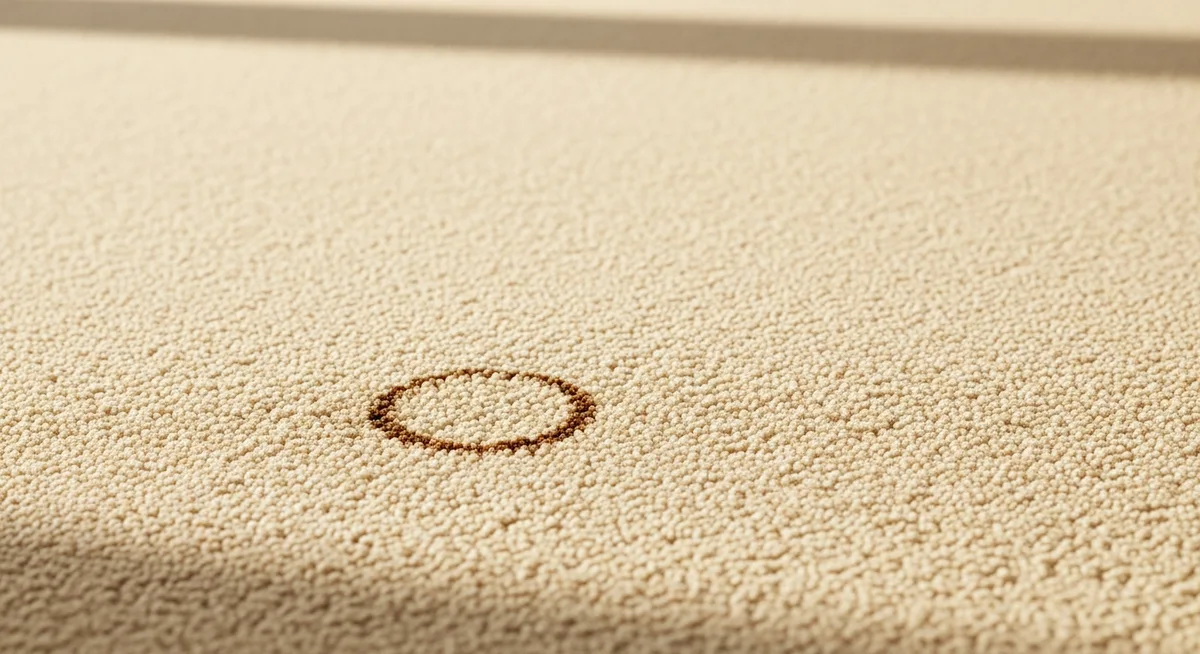
WHAT YOU NEED TO KNOW
Identifying a carpet stain correctly before applying any cleaning chemical is the single most important step to prevent setting the discoloration permanently into the fibers.
- Nearly 85% of common household carpet spots fall into four main categories: water-soluble, oil-based, protein-based, or specialty.
- Applying hot water to a protein-based stain can chemically alter the fibers, causing a permanent bond that is 100% irreversible.
- Conducting a quick assessment of texture, color, and odor allows you to master how to identify different carpet stain types in under two minutes.
The age of the spill remains the most critical factor, as dried, oxidized residues demand completely different extraction methods than fresh, wet spots.
How to Diagnose an Unknown Spot: How to Identify Different Carpet Stain Types
You can diagnose an unknown carpet spot by systematically evaluating its physical characteristics and location. This diagnostic method involves a simple four-step sensory check that reveals the chemical makeup of the spill. By executing these steps, you can save your flooring from permanent damage and ensure you apply the correct treatment.
- Assess the Location: Look at where the stain is situated. Spots near the dining table or kitchen transition are usually food-related, while entries collect outdoor dirt, grease, and moisture.
- Examine the Visuals: Use natural light to check the color and texture. Oil-based spots look dull or shiny and attract dirt over time, while wax or paint creates a hard, raised texture on top of the fibers.
- Check the Odor: Gently smell the area to check for sour or pungent notes. Animal urine, vomit, and sour milk have highly distinct, sharp scents that indicate protein-based organic material.
- Perform a Moisture Blot Test: Press a clean, white paper towel dampened with cold water onto the spot. If the color transfers easily to the towel, the substance is likely water-soluble or a fresh tannin.
When dealing with delicate wool or silk carpets, always test any diagnostic water or cleaning solution on a small hidden corner first. If you notice any color bleeding or fiber distortion, call a professional carpet cleaner immediately. Synthetic fibers like nylon and polyester are more forgiving, but they still require a gentle touch to maintain their pile.
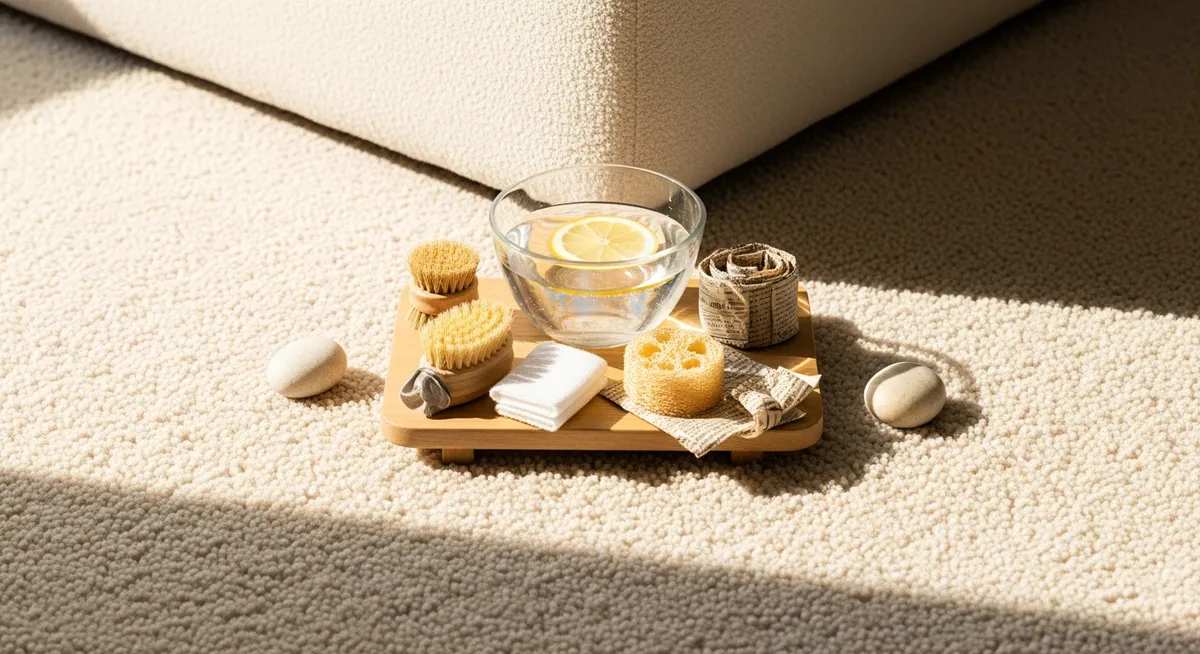
The 4 Main Carpet Stain Categories
Carpet spots are broadly grouped into four distinct categories based on their chemical composition and reaction to cleaning solvents. Knowing these classes allows you to choose the correct cleaning agent without damaging your floor. Each category requires a specific temperature, pH balance, and application technique to achieve successful extraction.
1. Water-Soluble and Tannin Stains
Water-soluble stains are residues that dissolve easily in water and include everyday substances like soda, fruit juice, washable ink, and mud. Tannin stains are a specific sub-type derived from plant compounds found in coffee, tea, and red wine. These spots are highly acidic and can act as natural dyes if they are not treated quickly with a mild acid-neutralizing solution.
According to the Colorado State University Extension, tannin-based spots should be treated with an acidic solution to prevent the plant dyes from permanently altering the carpet fibers. For basic water-soluble spots, a simple mixture of 1/2 teaspoon of liquid dish soap and one cup of warm water is highly effective. If you are dealing with coffee or tea, mix 1/2 pint of water, 1/2 teaspoon of white vinegar, and 1/2 teaspoon of liquid dish soap to blot the spot. Always blot from the outside edge of the spot toward the center to prevent the stain from spreading outwards.
2. Oil- and Fat-Based Stains
Oil-based stains consist of lipids and hydrocarbons that repel water, including cooking grease, makeup, hand lotion, and motor oil. These spots require a dry solvent or emulsifier to break down the greasy barrier before the fibers can release the pigment. If you apply water-based cleaners directly to an oily spot, you will only spread the grease further across the carpet pile.
Sprinkling a generous amount of baking soda or cornstarch over a fresh grease spot helps absorb the excess oil. Let this powder sit for 15 minutes before vacuuming it up to clear the surface. If the spot remains visible, apply a specialized dry solvent spotter to dissolve the remaining grease. Consumer Reports suggests testing any solvent on a carpet scrap or hidden closet corner first to ensure it does not dissolve the carpet backing or adhesive.
3. Protein-Based Stains
Protein-based stains originate from organic, living sources and include substances such as blood, vomit, eggs, and dairy products. These spots require specialized enzyme cleaners or cold-water solutions to break down the complex organic proteins. If you use hot water on these spots, you will cook the proteins and permanently set them into the synthetic or natural carpet fibers.
For fresh spots, flush the area with cold water immediately to dilute the material. If the residue has dried, mix one quart of cold water, one tablespoon of liquid dish soap, and one tablespoon of white vinegar. Blot this mixture gently into the fibers using a clean cloth, then rinse thoroughly with cool water to lift the organic material. Repeat this process three to four times if necessary, ensuring you never scrub the fibers aggressively.
4. Specialty Stains (Pet, Wax, and Gum)
Specialty stains involve sticky adhesives, synthetic dyes, or biological fluids that require specific physical or chemical treatments to extract. This category includes pet urine, candle wax, chewing gum, and artificial red food dyes. These substances cannot be cleared with basic soap and water without leaving behind sticky residues or deep-set odors.
To tackle pet urine, blot up as much liquid as possible, then apply a mixture of one part white vinegar and three parts water. The vinegar neutralizes the alkaline salts in the urine, while subsequent application of an enzymatic cleaner breaks down the lingering urea and uric acid. For wax and chewing gum, place ice cubes in a plastic bag directly over the spot for 10 minutes to freeze the substance. Once it is completely hard and brittle, gently scrape the mass away with a dull butter knife.
Carpet Stain Identification and Characteristics
This carpet spot identification guide provides a structured breakdown to help you match visual and tactile cues to the proper category. Use this carpet stain identification chart to quickly make a reliable assessment of determining stain type in carpet before choosing your cleaning method. Having these details handy ensures you select a treatment that dissolves the residue instead of sealing it into your home flooring.
| Stain Category | Identifying Traits | Texture and Color | Best Initial Action |
|---|---|---|---|
| Tannin and Water-Soluble | Spills from juices, soda, coffee, or wine. | Flat, dark brown, red, or vibrant fruit colors. | Blot with a white cloth, apply vinegar-soap solution. |
| Oil- and Fat-Based | Grease, makeup, butter, or hand lotion. | Dull or shiny film, darkens as it attracts dirt. | Sprinkle with baking soda for 15 minutes, vacuum. |
| Protein-Based | Organic spills like blood, dairy, or eggs. | Stiff when dry, dark red or yellowish tint. | Flush with cold water, use a cold vinegar-soap mix. |
| Specialty and Pet | Pet waste, candle wax, or chewing gum. | Gummy, raised wax, or yellow with strong odors. | Freeze wax with ice, or apply vinegar-water to urine. |
Remember that if a stain covers an area larger than 10 inches in diameter or has been set for several months, professional steam cleaning is often the safest path. Attempting heavy chemical extraction on extensive spots without commercial vacuum power can saturate the carpet pad, leading to mold or mildew growth under your floorboards.